AI in Manufacturing: Forecasting, Quality and Uptime
AI in manufacturing turns ERP and shop-floor data into demand forecasts, quality insight and predictive maintenance — practical use cases that lift output and margin.
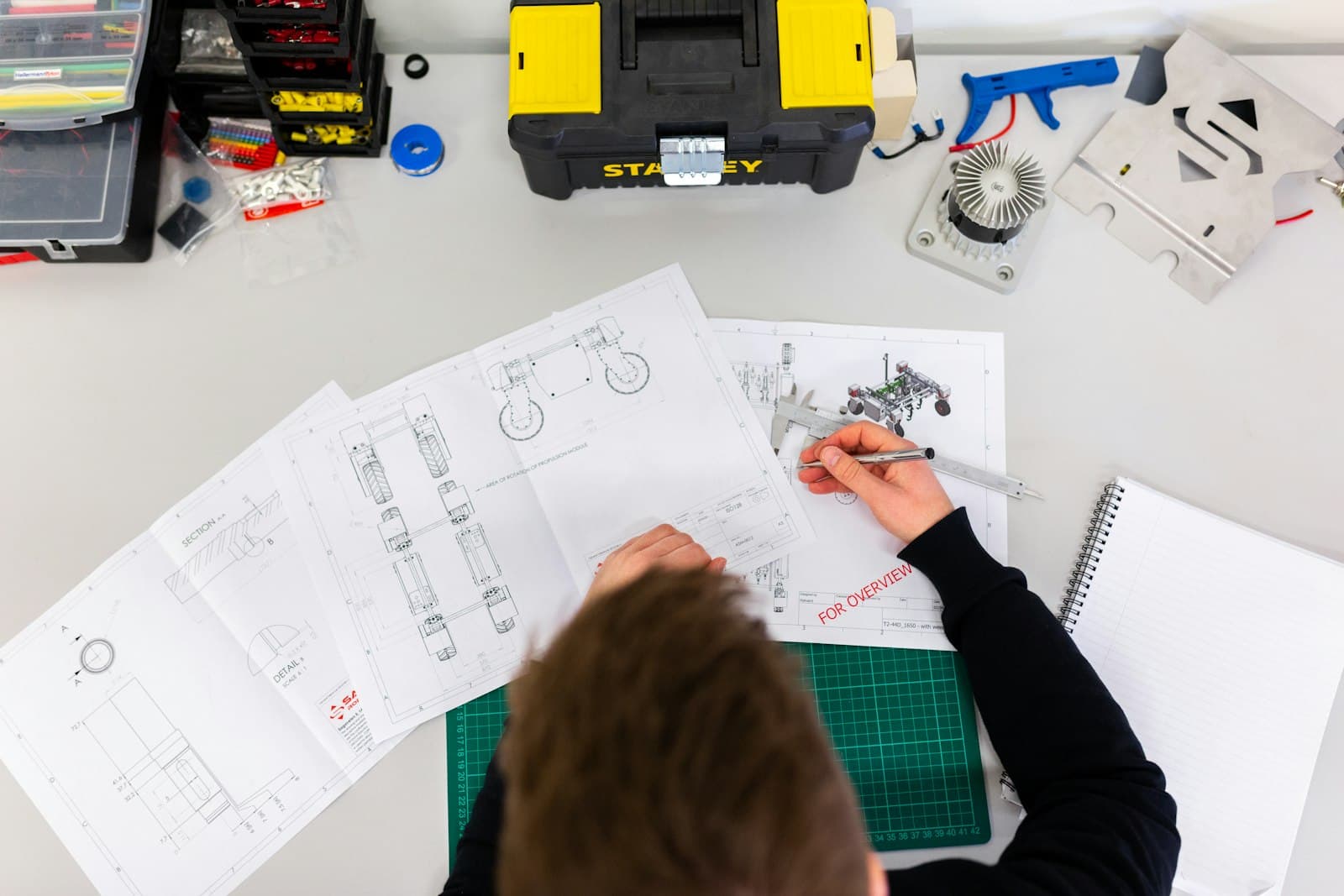
Manufacturers run on data — orders, inventory, production runs, machine telemetry, quality checks. Most of it is captured meticulously and used narrowly, for after-the-fact reporting. AI in manufacturing puts that data to work, converting it into forecasts, early warnings and automated insight that lift output, uptime and margin.
The manufacturing data opportunity
Between the ERP and the shop floor, manufacturers generate exactly the kind of structured, high-volume data machine learning needs. The gap is turning it into forward-looking decisions instead of month-end summaries.
High-value AI use cases
- Demand and inventory forecasting. Project demand from ERP order history to cut both stockouts and overstock — freeing working capital. (See AI in ERP.)
- Predictive maintenance. Use equipment data to predict failures before they cause unplanned downtime, and schedule maintenance around production.
- Quality and anomaly detection. Spot defects, process drift and out-of-spec trends early, before they become scrap or recalls.
- Conversational analytics. Let plant and operations managers ask production and ERP data questions in plain language. (More in AI in analytics.)
- Cash and receivables. Turn ERP AR data into automated collections to keep cash flowing.
The margin math
Each use case attacks cost or throughput directly:
| Use case | Lever | Result |
|---|---|---|
| Demand forecasting | Inventory accuracy | Less overstock, fewer stockouts |
| Predictive maintenance | Uptime | More productive hours |
| Quality detection | Scrap & rework | Lower defect cost |
| Conversational analytics | Decision speed | Faster corrective action |
Small percentage gains on any of these translate into meaningful margin at manufacturing scale.
Start with the data you have
You don't need a smart-factory overhaul to begin. Like any AI in ERP project, start narrow:
- Connect the AI layer to your ERP and production data.
- Pick one costly problem — say, forecast accuracy or unplanned downtime.
- Measure the improvement against your baseline, then expand.
Where Technaptix fits
Intellyca brings conversational analytics and predictive forecasting to your manufacturing ERP data, integrating with SAP, Oracle and others. Our manufacturing ERP analytics case study shows the approach in practice.
Ready to turn shop-floor and ERP data into decisions? Book a demo.
Frequently asked questions
What is AI in manufacturing?
AI in manufacturing applies machine learning to ERP and shop-floor data to forecast demand, optimise inventory, predict equipment failure, improve quality and automate reporting — turning operational data into decisions that raise output, uptime and margin.
What are the top AI use cases in manufacturing?
Demand and inventory forecasting, predictive maintenance to reduce downtime, quality and anomaly detection, and conversational analytics over production and ERP data are the highest-value starting points for most manufacturers.
Do manufacturers need new systems to use AI?
Usually not. Most manufacturers already capture rich data in their ERP and production systems. AI layers on top through integration, so you can start with the data you have rather than a new platform.
How does AI improve manufacturing margin?
By forecasting demand more accurately (less overstock and fewer stockouts), predicting failures before they cause downtime, and catching quality issues earlier — each of which cuts cost or lifts throughput, directly improving margin.
Related articles
AI in Business: A Practical Guide to Adoption, Use Cases and ROI
A no-hype guide to AI in business — where it actually creates value, how to pick your first use case, and how to measure ROI without a data-science department.
AI in ERP: Turning Your System of Record into a System of Foresight
AI in ERP adds forecasting, conversational analytics and automation on top of the data you already run in SAP, Oracle, Odoo, Dynamics or NetSuite. Here's how.
Your ERP Data Is the Most Underused AI Asset You Own
Most enterprises sit on a goldmine of structured operational data and never use it for more than month-end reports. Here's how to change that.