AI in Analytics: From Dashboards to Decisions
AI in analytics is moving teams past static dashboards to plain-language questions, automated insight and forecasting. Here's what changes — and how to adopt it.
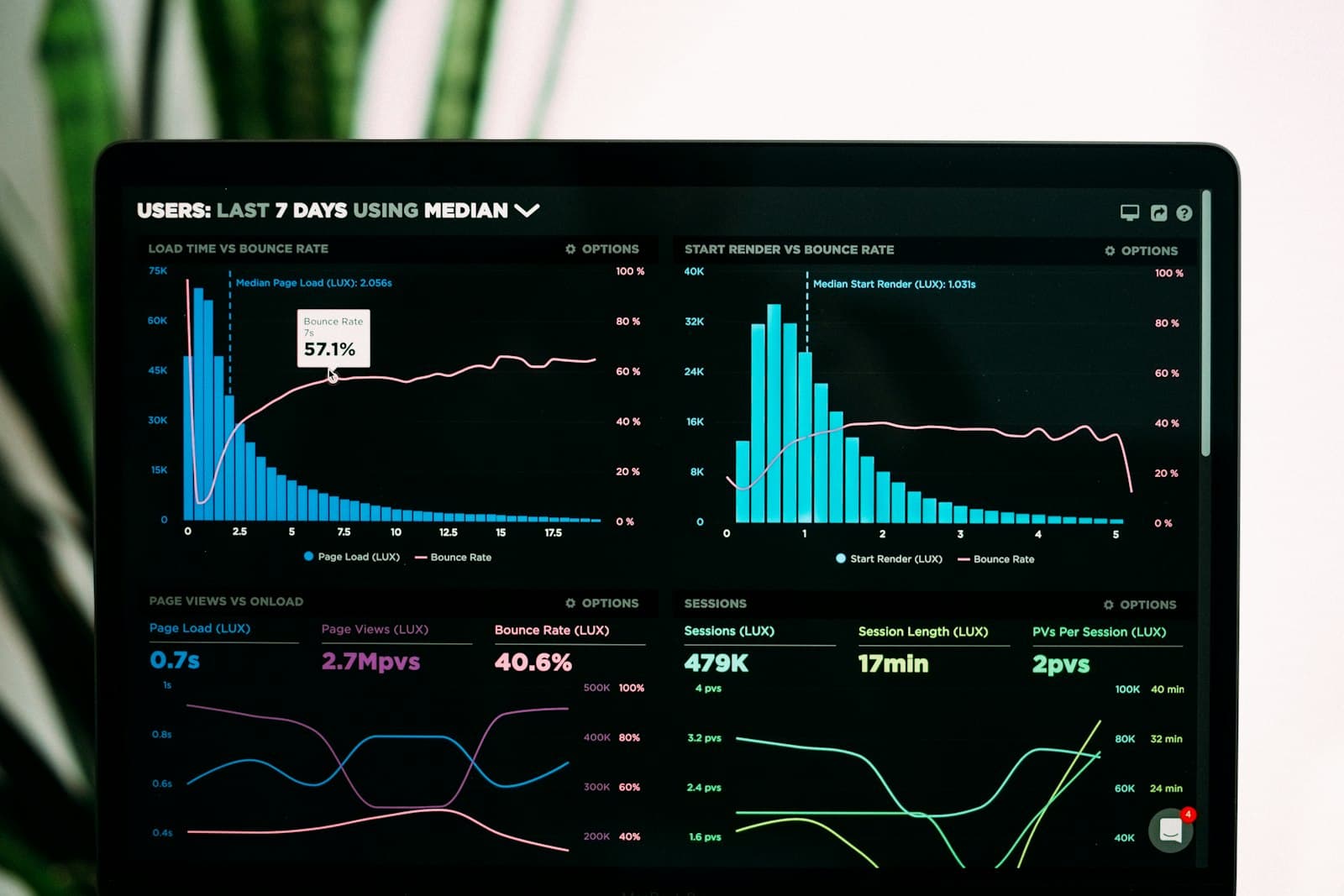
For twenty years, "analytics" has largely meant dashboards: fixed charts, built by analysts, describing what already happened. They're useful — but they answer yesterday's questions. AI in analytics changes the job description of business intelligence from reporting the past to supporting the next decision.
The limits of the dashboard era
The traditional analytics workflow has three chronic problems:
- Latency — by the time a report is built and read, the moment to act has passed.
- Bottlenecks — every new question means a ticket to the analytics team.
- Interpretation — dashboards show what happened, rarely why, and never what's next.
None of these are tooling failures so much as a framing problem. Data is treated as a rear-view mirror.
What AI adds
Layering AI on top of well-governed business data unlocks four capabilities that dashboards can't provide:
- Natural-language questions. Ask "which regions missed target last month and by how much?" and get an instant answer — no SQL, no ticket. This is conversational BI.
- Automated insight. The system proactively surfaces trends, outliers and anomalies you didn't think to chart.
- Plain-language explanation. Instead of leaving users to interpret a chart, AI narrates why a metric moved.
- Forecasting. Time-series models project revenue, demand and cash flow forward, so decisions are made looking ahead.
The goal isn't more dashboards. It's fewer decisions made blind.
Augmented, not replaced
The strongest analytics stacks in 2026 are hybrid. Dashboards still monitor the KPIs you check every day. AI sits alongside them for the long tail of ad-hoc questions, root-cause explanations, and forward-looking forecasts. Analysts don't disappear — they stop being a query desk and start doing higher-value modelling and strategy.
Adopting AI in analytics
You don't need to rip out your BI stack. A focused rollout looks like this:
- Connect an AI analytics layer to the data you already trust — usually your ERP.
- Start with one team drowning in report requests (finance and sales ops are good candidates).
- Measure decision cycle time and analyst hours saved against the baseline.
Where Technaptix fits
Intellyca is our AI enterprise-intelligence platform built exactly for this shift. It lets anyone query business data in plain language, automatically surfaces insights, and forecasts what's likely to happen next — integrating directly with SAP, Oracle and any ERP. It's conversational BI and predictive analytics in one copilot.
Want to see it against your own numbers? Book a demo and we'll show you dashboards turning into decisions.
Frequently asked questions
What is AI in analytics?
AI in analytics uses machine learning and language models to go beyond charts — letting users ask questions in plain language, automatically surfacing trends and anomalies, and forecasting what happens next. It turns business intelligence from a reporting exercise into a decision-support system.
What is conversational BI?
Conversational BI lets people ask business questions in natural language — 'what were my top five products by margin last quarter?' — and get an instant chart or answer, without writing SQL or waiting on an analyst. It is one of the highest-impact applications of AI in analytics.
Does AI replace dashboards?
No — it augments them. Dashboards remain useful for monitoring known KPIs. AI adds the ability to ask ad-hoc questions, get automatic explanations of why a number moved, and forecast forward, which static dashboards cannot do.
How does AI analytics work with our existing data?
Modern AI analytics tools connect directly to your ERP, database or spreadsheets. Intellyca, for example, integrates with SAP, Oracle and other systems so you can query governed business data conversationally without building a separate warehouse first.
Related articles
AI in Business Intelligence: Power BI and SAP Analytics Cloud, Supercharged
How AI transforms Power BI and SAP Analytics Cloud — from natural-language Q&A and smart narratives to predictive planning — and how Technaptix connects BI to your ERP and warehouse.
Your ERP Data Is the Most Underused AI Asset You Own
Most enterprises sit on a goldmine of structured operational data and never use it for more than month-end reports. Here's how to change that.
Microsoft Copilot for the Enterprise: From Productivity to Real Business Impact
How to roll out Microsoft 365 Copilot and build custom copilots that are grounded in your own business data — practical guidance on adoption, governance and ROI from Technaptix.